
A Brighter Outlook
The Mental Health Association of Central Florida opens a clinic in Sanford to meet a growing need for services
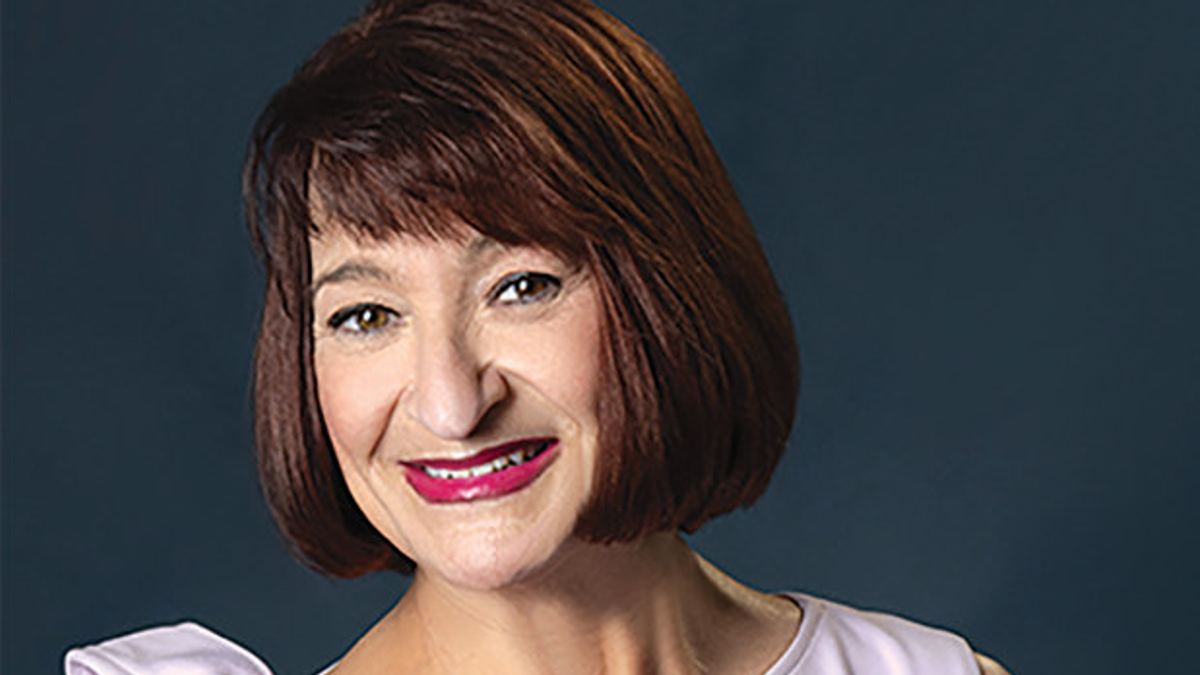
For 80 years, the Mental Health Association of Central Florida (MHACF) has shaped the region’s approach to mental health – treating and advocating for patients, expanding access to care, and changing how we think about well-being.
Now, with the recent opening of its Sanford Outlook Clinic, the nonprofit is extending its reach into Seminole County to meet a growing and underserved need. The new clinic is located in the Neighborhood Co-op at First United Methodist Church of Sanford.
“We’re very excited,” says Dr. Marni Stahlman, the association’s president and CEO. “This expansion is about access – bringing services directly to communities that need them most.”
The Sanford Outlook Clinic will provide the same services offered by MHACF’s headquarters in Orlando: free mental health counseling and psychiatric services to individuals who are without insurance and earn less than 300 percent of the federal poverty level. In Seminole County, where the uninsured rate in some areas reaches 16.5 percent, the need is significant.
“We see a real gap,” says Marni. “There are communities here where you won’t find private mental health practices like you would in more affluent areas. That lack of access has real consequences.”
From Advocacy To Service
Founded in 1946 as the Central Florida Mental Hygiene Society, the MHACF began as an advocacy group for families with loved ones living with mental illness. At that time, before modern medications and patient protections, individuals experiencing mental illness were frequently removed from their homes and communities. The association became a driving force in changing that.
The group’s influence helped shape landmark legislation, including the 1972 Florida Mental Health Act (better known as the Baker Act), which established critical patient rights during involuntary hospitalization.
Over time, the organization evolved from advocacy into direct service. In the 1990s, it became a leader in suicide prevention, operating a 24-hour hotline and training community responders. By 2010, in partnership with local agencies and hospitals, the MHACF opened its first clinic in Parramore (Orlando’s oldest and largest African American community) to serve uninsured residents in need of outpatient care.
To serve its clients, the association works with clinical interns – graduate-level counselors working toward licensure. Under strict supervision requirements, these interns gain essential experience while expanding the organization’s capacity to help more clients. The result is a win-win: high-quality care for patients and critical training opportunities for future clinicians.
Through its Mental Health Connections program, association staff members act as navigators, linking individuals to a network of hundreds of partner organizations. Whether someone is facing housing insecurity, domestic violence, or job loss, assistance is available.
“Mental health is connected to everything – housing, food, safety, relationships. We look at the whole person.”
“People don’t just come in with one issue,” says Marni. “Mental health is connected to everything – housing, food, safety, relationships. We look at the whole person.”
Referrals come from schools, hospitals, law enforcement, faith leaders, and even friends and family. Individuals can also reach out for help themselves. Once deemed eligible, clients typically receive an assessment within 48 to 72 hours and can begin counseling within 10 days. Services are offered both in person and via telehealth for those who may not have access to transportation.
Transforming Lives
For many, the fact that mental health care is completely free is transformative.
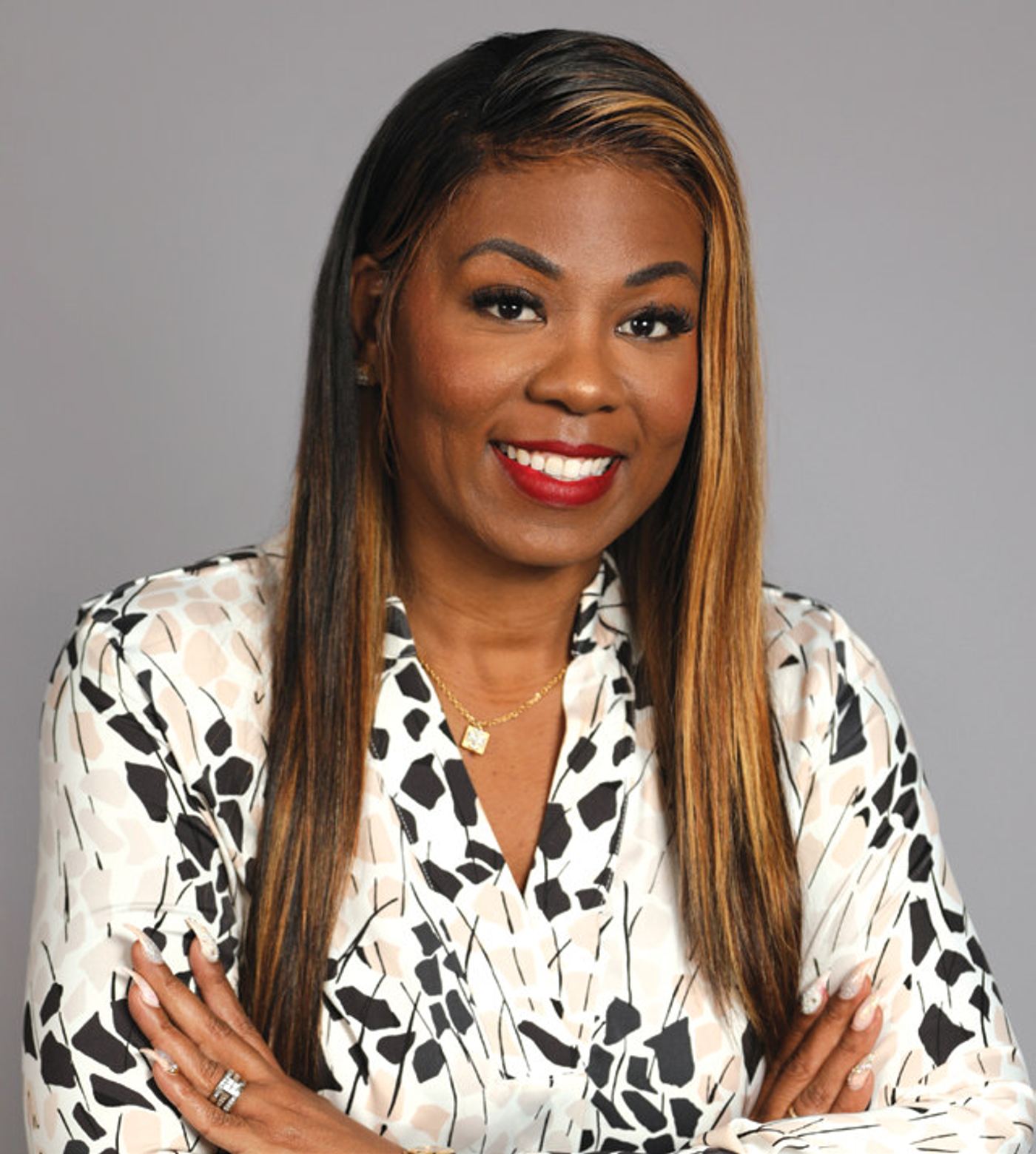
“Access and affordability are the biggest barriers,” says Dr. Cherlette McCullough, an association board member and volunteer. “When you remove the financial piece, you open the door for so many people to actually get help.”
The organization’s representatives also work to combat the stigma around mental illness by getting out in the community and talking openly about it.
“The more we talk about it,” says Cherlette, “the more we normalize it.”
Attitudes are shifting, says Marni, particularly among younger generations and in the wake of the COVID-19 pandemic, which brought widespread attention to mental health struggles.
“We all experienced some level of crisis [during the pandemic],” she says. “That shared experience has made it more acceptable to talk about mental health. There’s more openness now.”
Looking ahead, the Sanford Outlook Clinic aims to serve approximately 300 patients in its first year. Marni’s ultimate goal is to outgrow its space in the Neighborhood Co-op.
“If we’re full,” she says, “that means people know we’re here, and they’re getting the help they need.”
FOR MORE INFORMATION, VISIT MHACF.ORG.