
A Centennial Celebration
Crooms Academy – a cornerstone of the community since it opened – is marking 100 years of history, tradition, and excellence

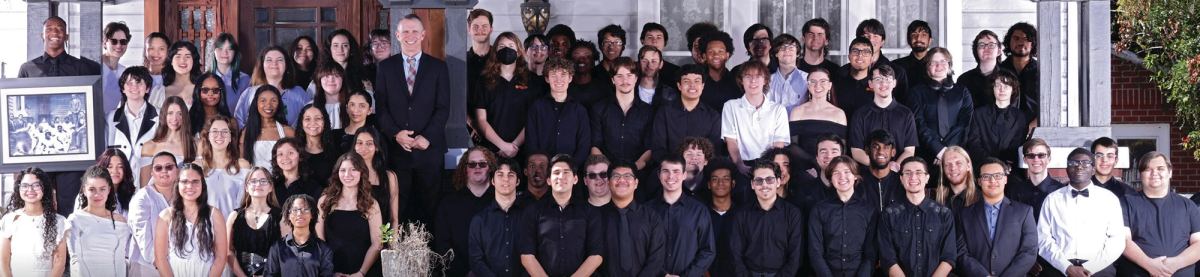
Crooms Academy of Information Technology has been through many highs and lows since Joseph and Wealthy Crooms founded it 100 years ago as Seminole County’s first four-year high school for Black students.
From segregation to a devastating fire and to a long-awaited rebirth, the school on Historic Goldsboro Boulevard in Sanford has persevered thanks to strong leadership and proud alumni.
“It all starts with the Crooms family, who saw the need and pressed on with little or no resources to support an opportunity for African American kids to receive an education through the 12th grade,” says Dr. Brandon Hanshaw, an Oviedo resident who has served as principal of Crooms for the past 10 years.
Raised in the Lake Mary/Sanford area and now in his 24th year of public education, Dr. Hanshaw embraces the school’s significance and understands his role in its storied history as only the 10th principal to walk the halls.
“There is a foundation of Crooms that exists throughout the entire community,” he says. “They have always taken such pride in the school.”
Buoyed by Stalwart Supporters
Frank Bracco, Class of 2006, is among the school’s proudest advocates. He is part of the 100-year planning committee that’s working to recognize and celebrate the centennial.
“As alumni, we all understand how important Crooms is to the community,” says Frank, who also serves on the Crooms AoIT Alumni Association board of directors. “We are the stewards of that legacy.”
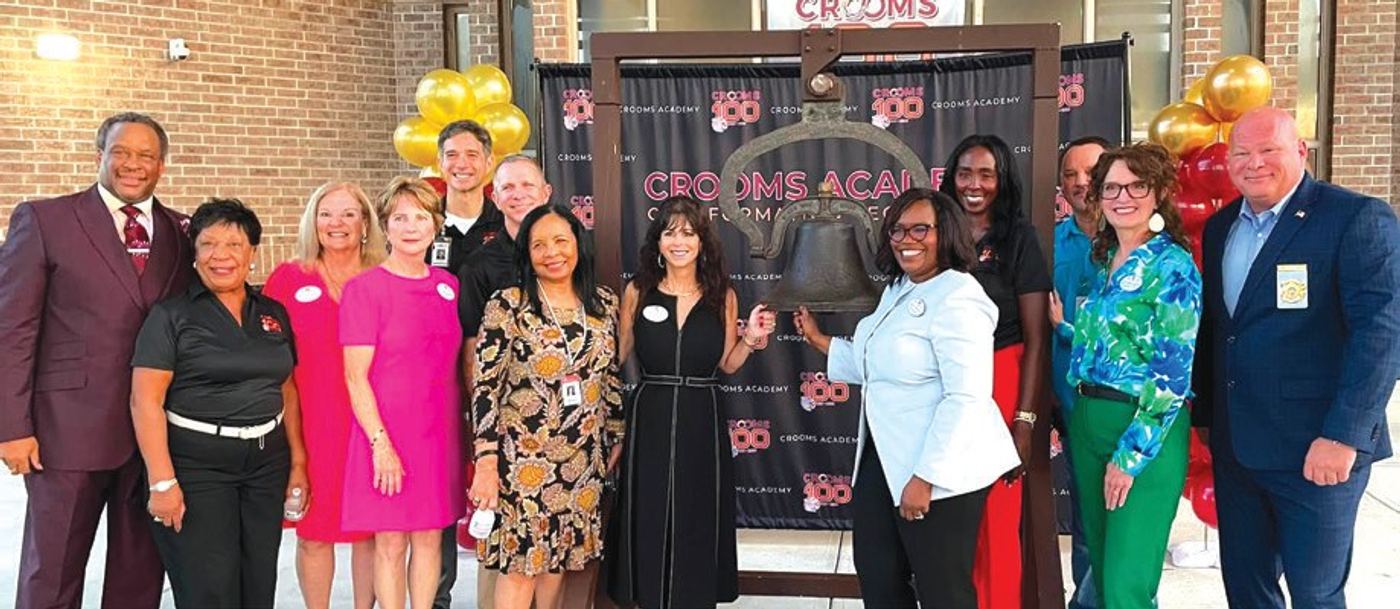
As part of its 100th anniversary events, Crooms kicked things off by ringing the district bell on the first day of school this past August, a tradition that marks a new academic year in Seminole County. In October, Crooms continued the celebration by hosting a fall festival. And on December 11, the commemoration will culminate with an alumni recognition ceremony.
Frank’s group also created a social media campaign to mark the century milestone and published yearbooks from many of the school’s graduating classes online.
Today, Frank works in the arena of economic development, public finance, and public policy and credits Crooms Academy with giving him a solid base for real-world thinking.
“A lot of skills you learn in IT help you break down problems,” says Frank. “I use what I learned every day.”
A Legacy That Lives On
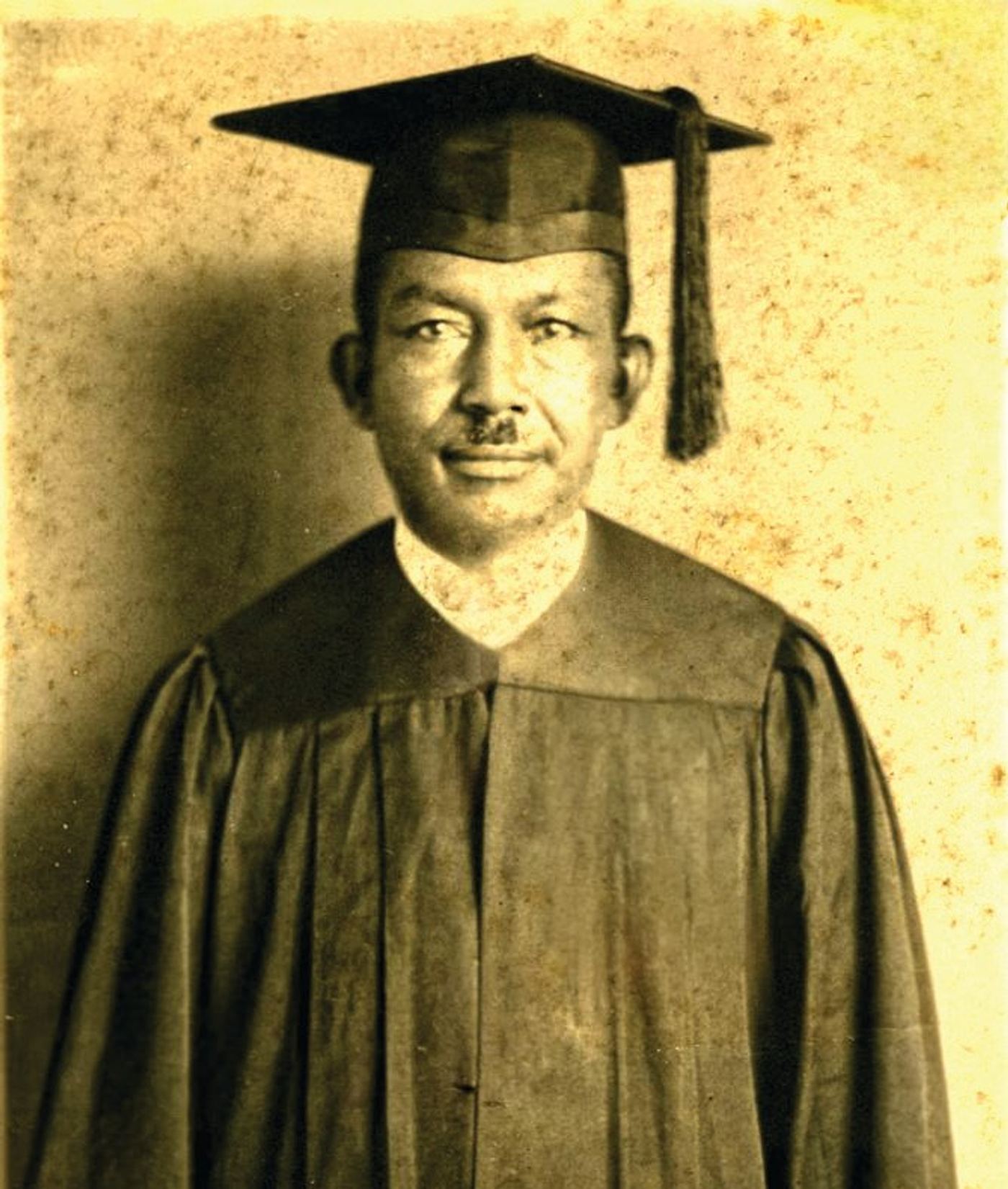
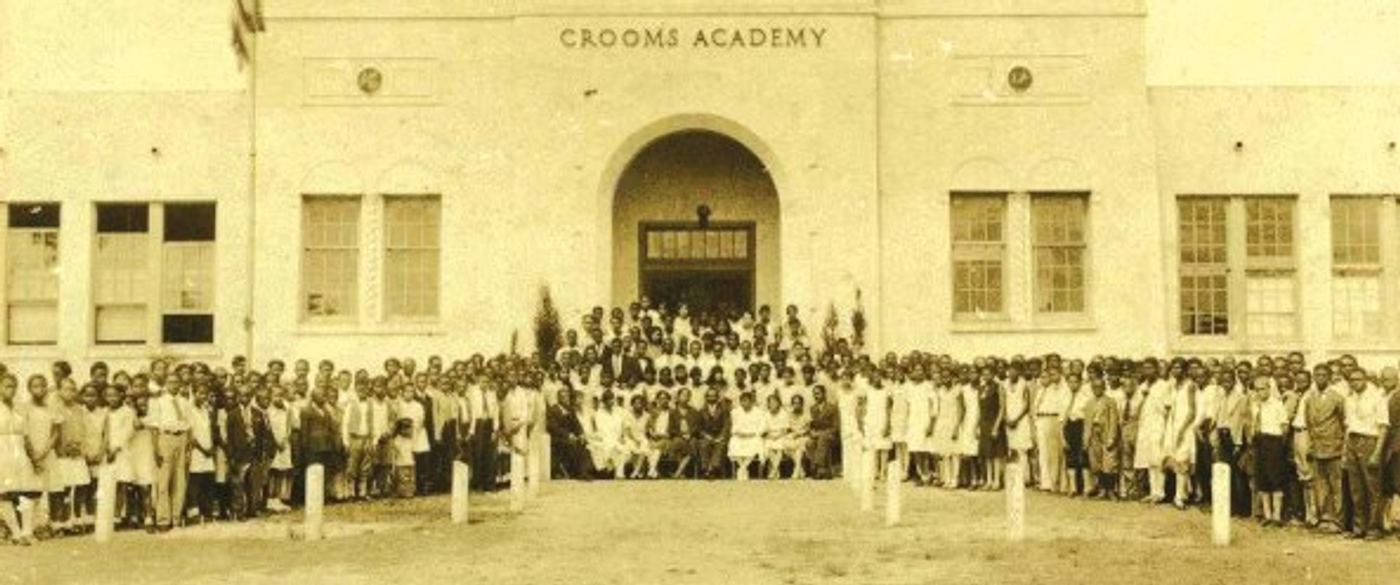
Joseph Crooms led the school from its founding in 1926 until he retired as principal in 1953, when Florida’s Jim Crow segregation laws were still in place.
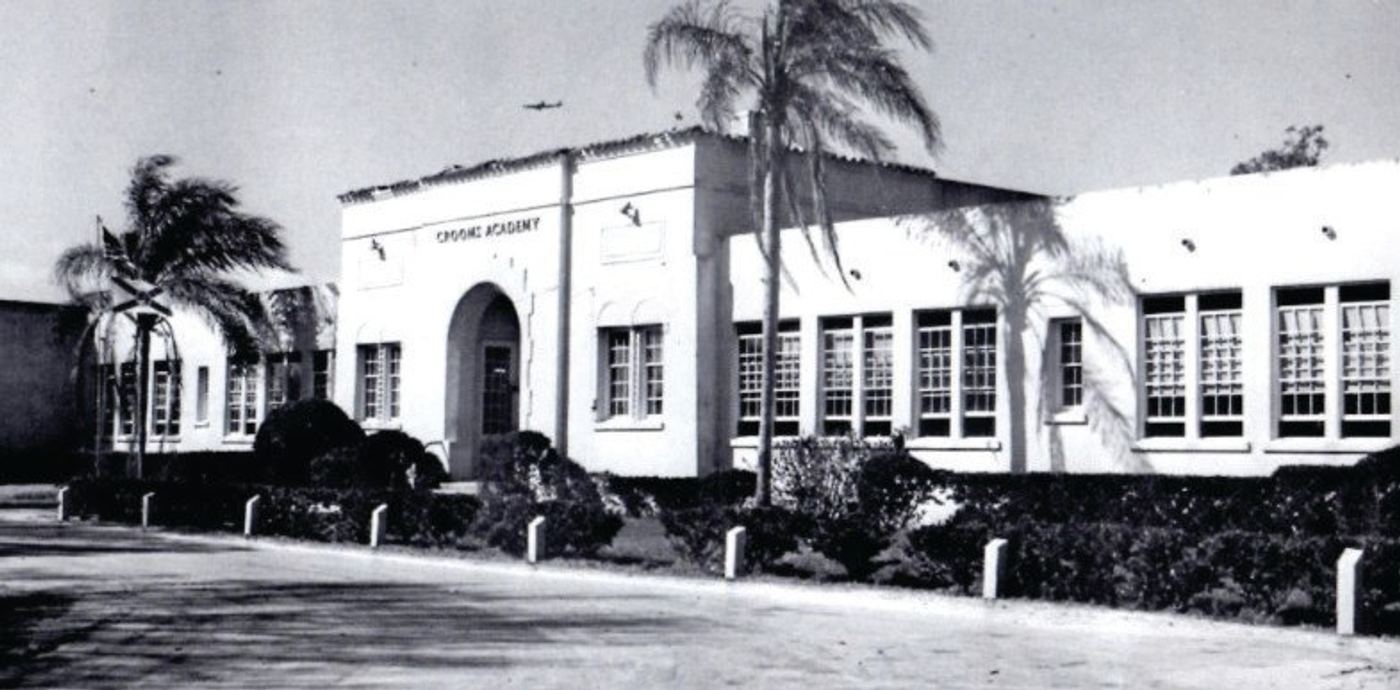
Edward L. Blacksheare was principal in 1970, when school desegregation began in the county. The Seminole County School Board designated Crooms as a ninth-grade center to comply with federal law. After 44 years as a high school, Crooms was being repurposed.
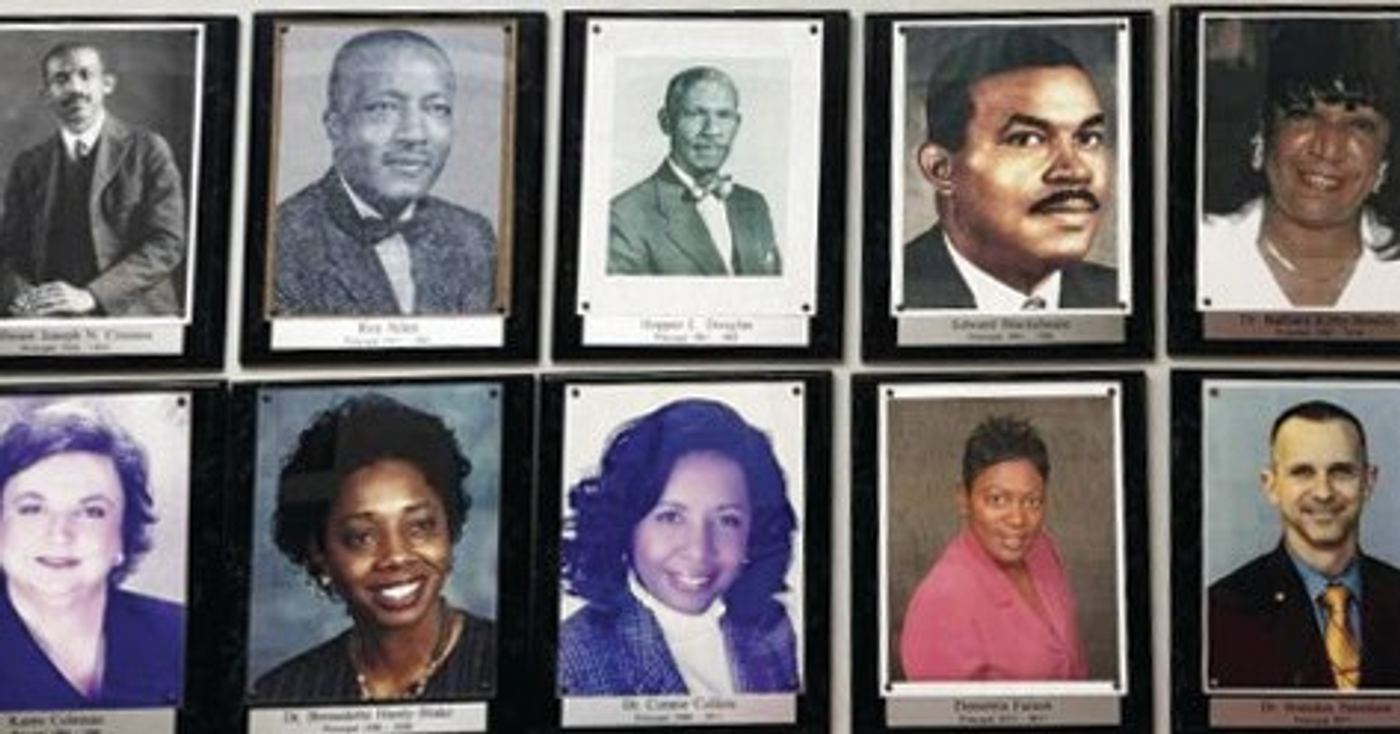
In 1973, a fire broke out on campus. Some say the fire was started by a group of Ku Klux Klan members who tried to burn down Crooms to stop white students from attending classes at the ninth-grade center.
Kenneth Bentley, a student there at the time, remembers the incident all too well.
“That fire was no accident,” he says, adding that it burned the building’s front section, auditorium, and some classrooms.
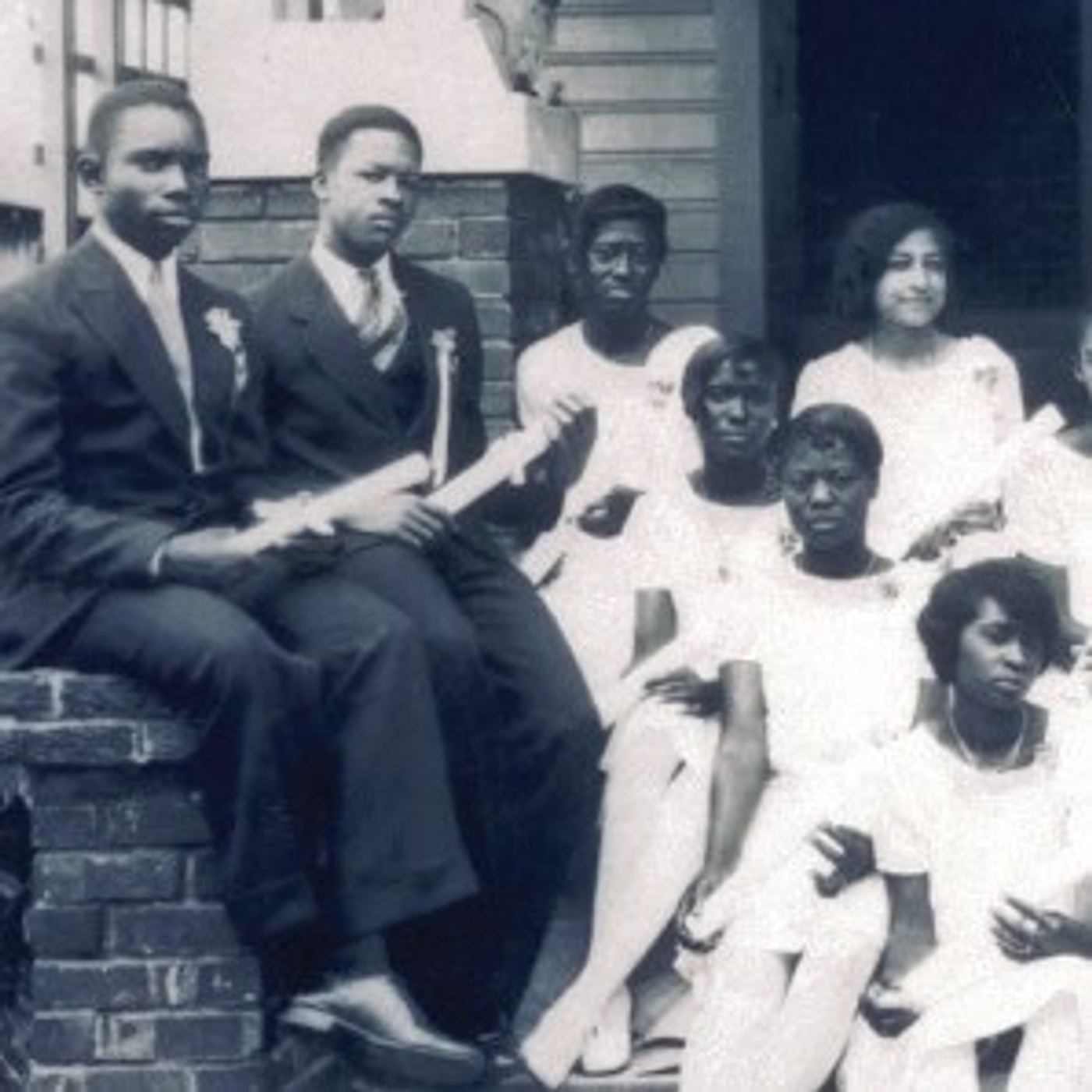
To this day, Kenneth has maintained strong ties to the school. His father sold land to Joseph Crooms when the school expanded in the 1950s, and his mother graduated from Crooms in 1954. His wife, Barbara Kirby-Bentley, graduated from Crooms in 1965 and became the school’s principal in 1986. Kenneth was raised in the house across the street from the school and still owns the home.
“Crooms is a legacy to me,” says Kenneth. “I put it on the same platform as Harvard or Yale for what it means to the Goldsboro community. What makes Crooms is its history.”
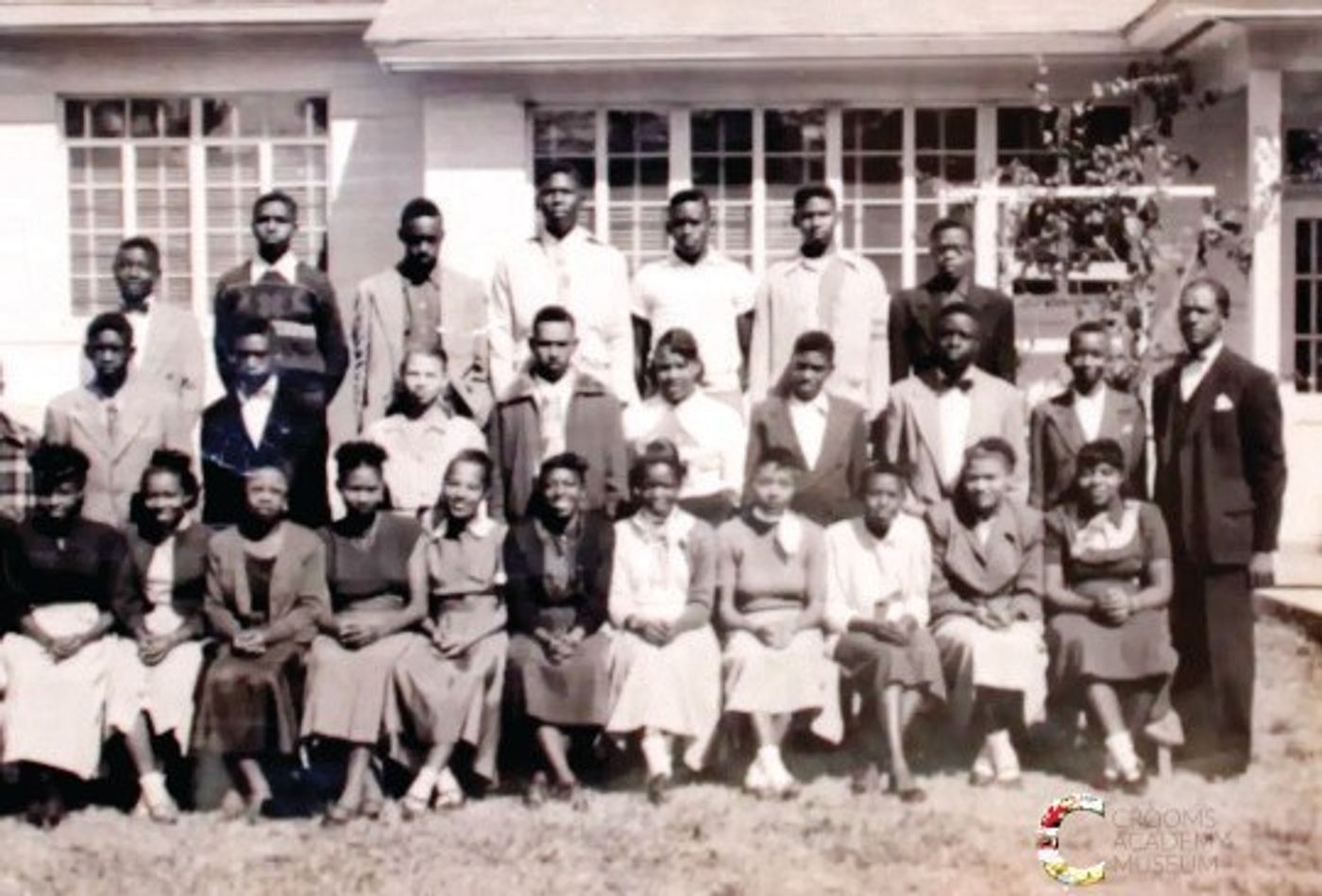
After a decade of serving as a ninth-grade center, Crooms was repurposed in the 1980s and 1990s. The building was transformed into an administrative center, a facility for students with behavioral challenges, and a place for academically struggling students.
Kenneth, who attended Seminole High School after the ninth-grade center, became an educator and taught at public schools throughout the county, including Crooms. At age 67, he now works with the Seminole County Sheriff’s Office, assisting with community outreach and engagement – helping others the way Crooms helped the community.
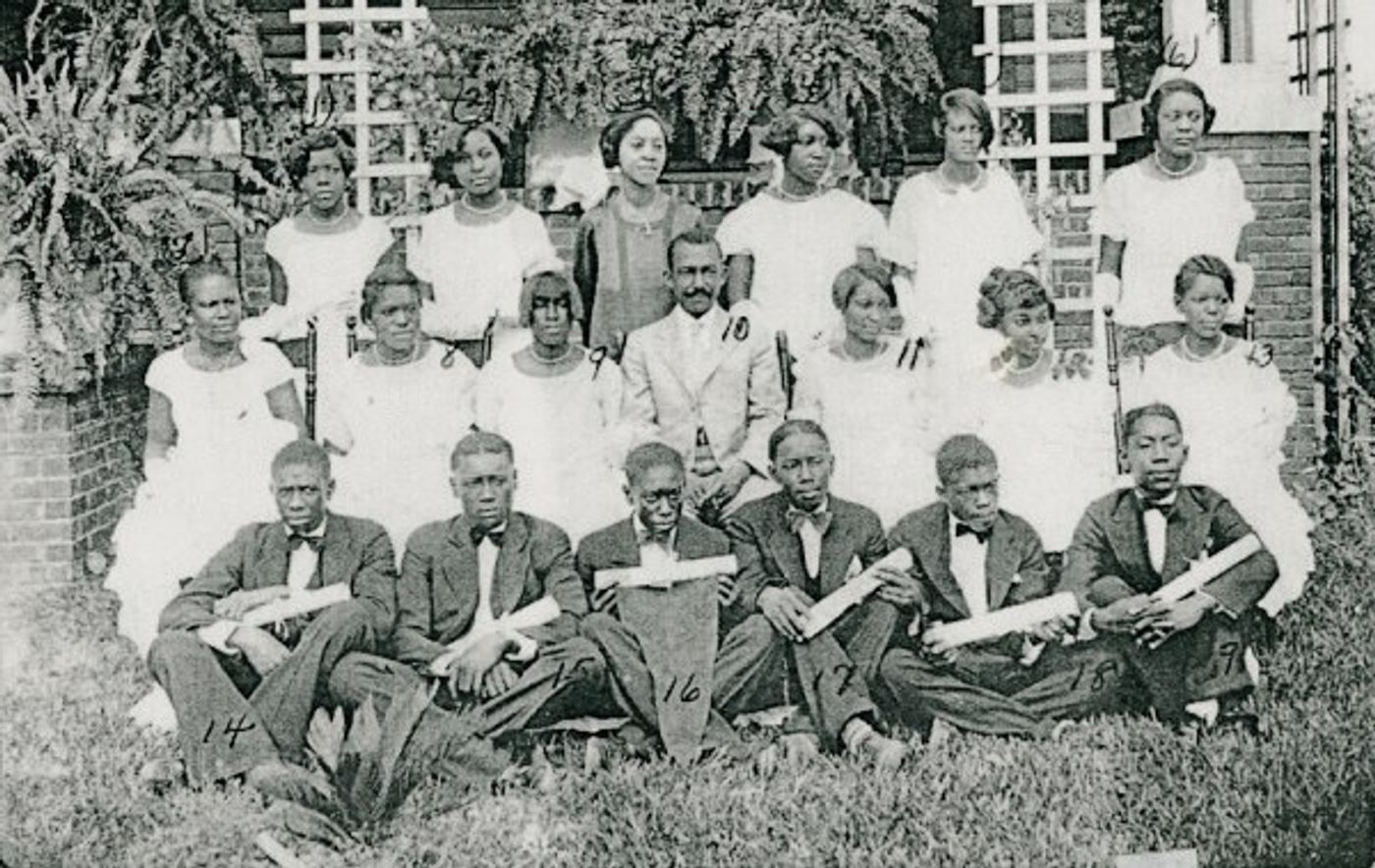
“The kids got vaccinated there. They had night school for veterans. They had a night school for pregnant girls. They had parades down 13th Street that everyone turned out for,” says Kenneth. “The school was the center of the entire community.”
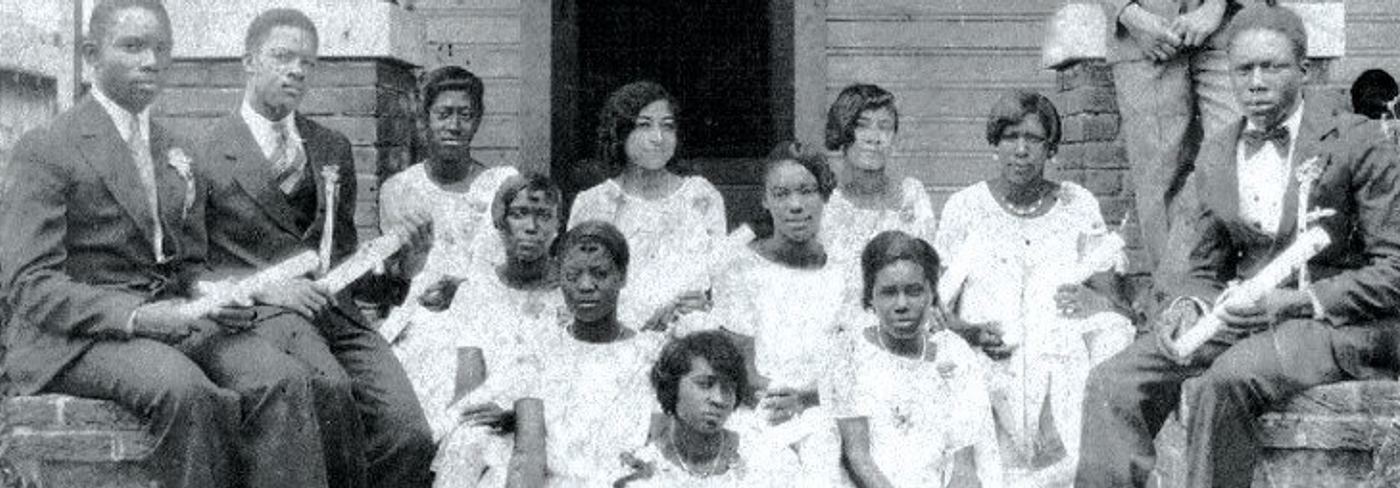
Banding Together
The same community worked tirelessly to return Crooms to its status as a high school in Seminole County. A lawsuit filed by the Concerned Citizens Task Force eventually led to the reopening of Crooms in the mid-1980s. Kenneth believes that without the strength of local citizens throughout the 1970s and 1980s, there might not be a school to honor this year.
“It would be vacant property,” he says. “The resiliency of Crooms is due to the leadership and the people who would not let it die.”
“What makes Crooms is its history.” – Kenneth Bentley
A federal desegregation agreement was reached with the school district in 2000, with the government mandating the county to restore the historic legacy of Crooms and correct years of neglect. Part of that agreement led to a rebuilding of Crooms as a magnet high school with a technology-based curriculum. The magnet school officially opened in 2001 with 250 students and soon grew to 750, the enrollment it carries today.
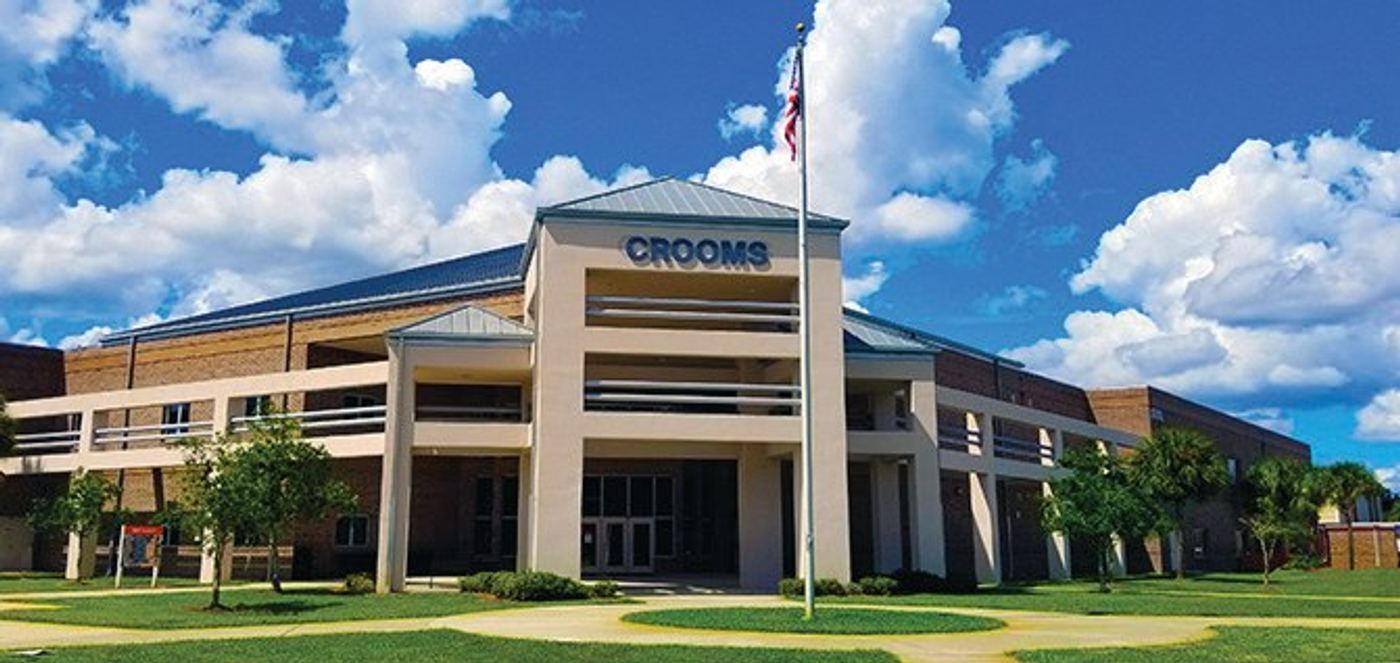
In addition to the benefits of its curriculum, says Dr. Hanshaw, a partnership between Crooms and Seminole State College gives students another leg up. Half of the graduates of Crooms have also earned an associate of arts degree by the time they receive their high school diploma.
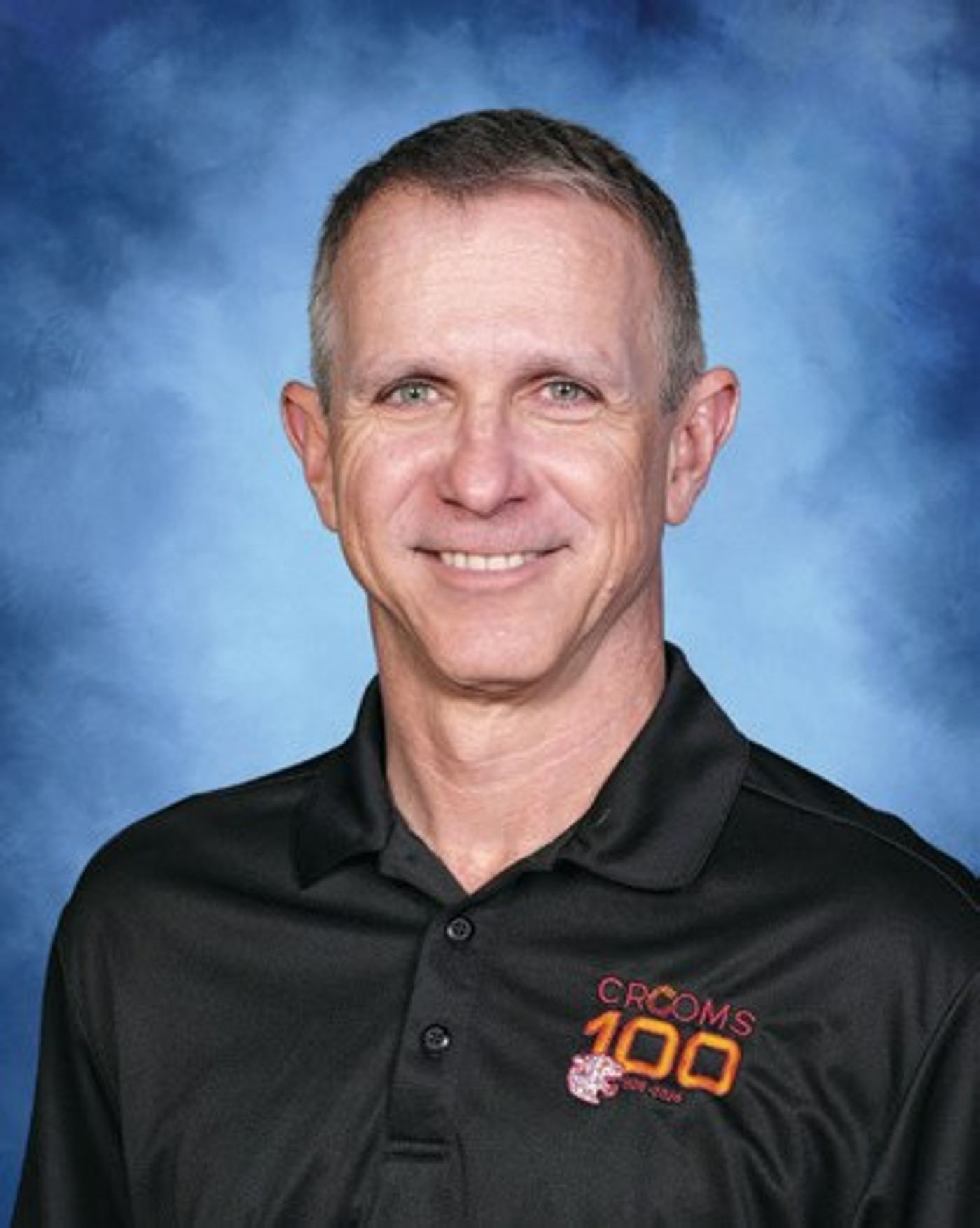
“We continue to grow at a time when public school admissions are dropping,” says Dr. Hanshaw. “We are seeing steady growth due to being a choice school. That also creates a positive culture within the school. The kids want to be here.”
1880: Joseph Nathaniel Crooms is born in Orlando to Moses and Daphne Crooms, freed slaves.
1906: Joseph Crooms becomes principal of Georgetown School in Sanford, the county’s only school for Black students, founded in 1885. That same year, he replaces the school with a new two-story wooden building and renames it Hopper Academy.
1911: Joseph Crooms marries Wealthy Richardson of Winter Park. After earning two degrees in South Carolina, Wealthy teaches at the Daytona Literary and Industrial Training School for Negro Girls, which becomes Bethune-Cookman University.
1926: Joseph and Wealthy open Crooms Academy, the first four-year high school for Black students in Seminole County. He serves as principal; she serves as vice principal.
1953: Joseph Crooms retires after nearly 30 years as principal.
1957: Joseph Crooms dies at age 77.
1964: Edward L. Blacksheare (Class of 1943) becomes principal and serves for 20 years.
1970: Desegregation mandates full integration of Seminole County schools. Crooms is repurposed as a ninth-grade center.
1973: Fire destroys the school’s auditorium and classrooms.
Mid-1980s: A federal court sides with the Concerned Citizens Task Force, which sued Seminole County to reopen Crooms as a high school.
2000: The U.S. Department of Justice agrees to lift its desegregation oversight of Seminole County on the condition that Crooms be rebuilt as an IT academy.
2001: Crooms Academy of Information Technology officially opens as a magnet school under Principal Connie Collins.
2015: Crooms becomes the first school in Seminole County to offer an associate of arts degree in partnership with Seminole State College.
2017: Dr. Brandon Hanshaw is named the 10th principal of Crooms.
Notable Graduates of Crooms Academy
Edward Blacksheare, Class of 1943, served as principal of Crooms from 1964-1986
Oswald Bronson Sr., Class of 1945, served as the fourth president of Bethune-Cookman University
Bob Thomas, Class of 1948, served as Sanford’s first Black city commissioner
Alcee Hastings, Class of 1953, became a member of the U.S. House of Representatives representing South Florida and was a U.S. District Court Judge
Dr. Barbara Kirby-Bentley, Class of 1965, served as principal of Crooms from 1986-1994
George Allen, Class of 1969, became the first Black graduate of the University of Florida College of Law
Don’t Miss the Centennial Fun: Friday, December 11
Join members of the Crooms community at its 100-year celebration on Friday, December 11. A homecoming pep rally will be held in the morning. Check in at the school’s front desk and join in the festivities.
That evening, cheer on the Crooms Panthers at the boys’ junior varsity and varsity basketball homecoming games. Alumni will be recognized and honored, as well.