
Driven by the Past
A Sanford woman saddles up her horse to take part in a living history reenactment known as the Great Florida Cattle Drive
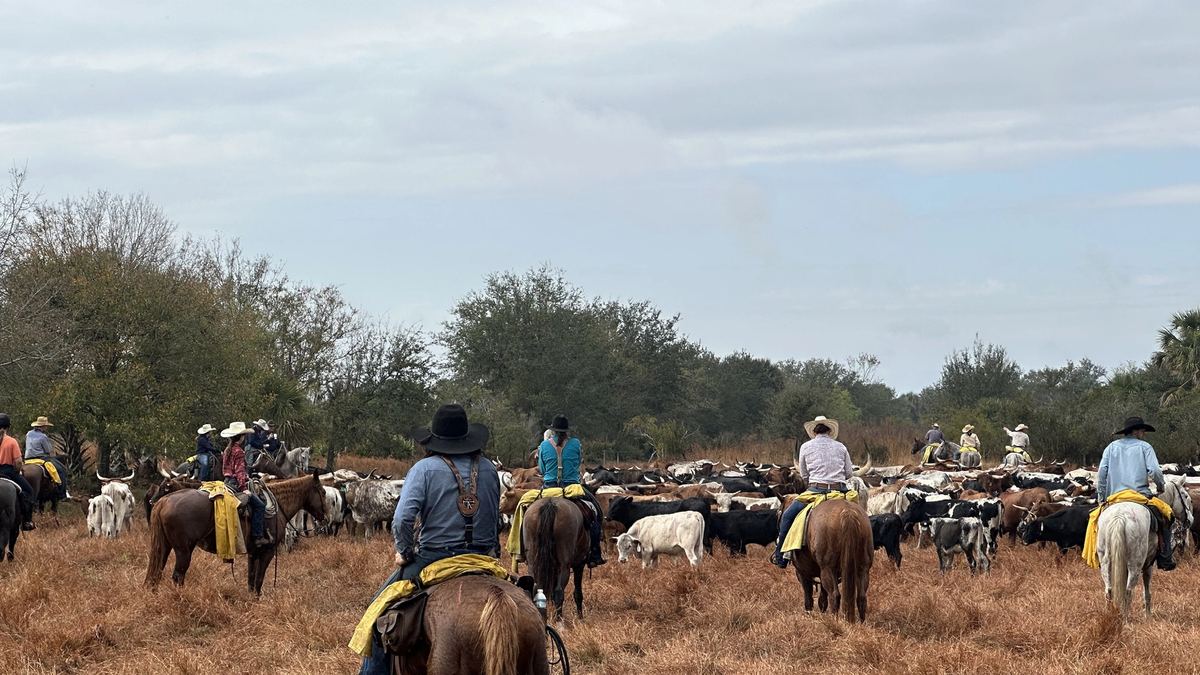
Did you know that Florida was one of the first cattle states in the country? Spanish explorers brought cattle to the Sunshine State in the 1500s, and by the 1800s, settlers were rounding up herds of cow offspring.
To celebrate the state’s deep-rooted cattle-driving traditions, the Florida Cow Culture Preservation Committee regularly hosts the Great Florida Cattle Drive, a living history reenactment. This past January, Sanford ranch owner and history buff Beki Herrbach took part in the weeklong event.
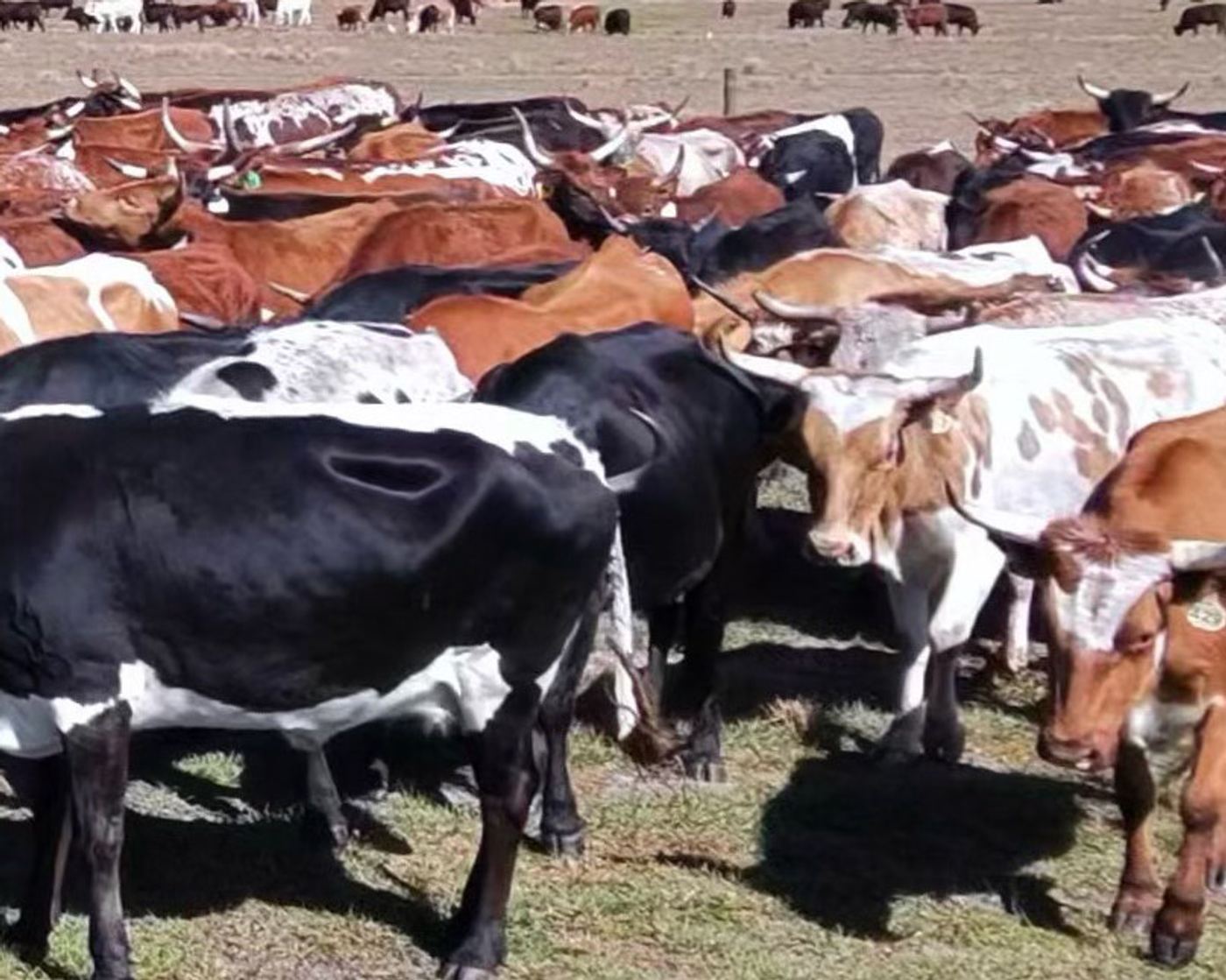
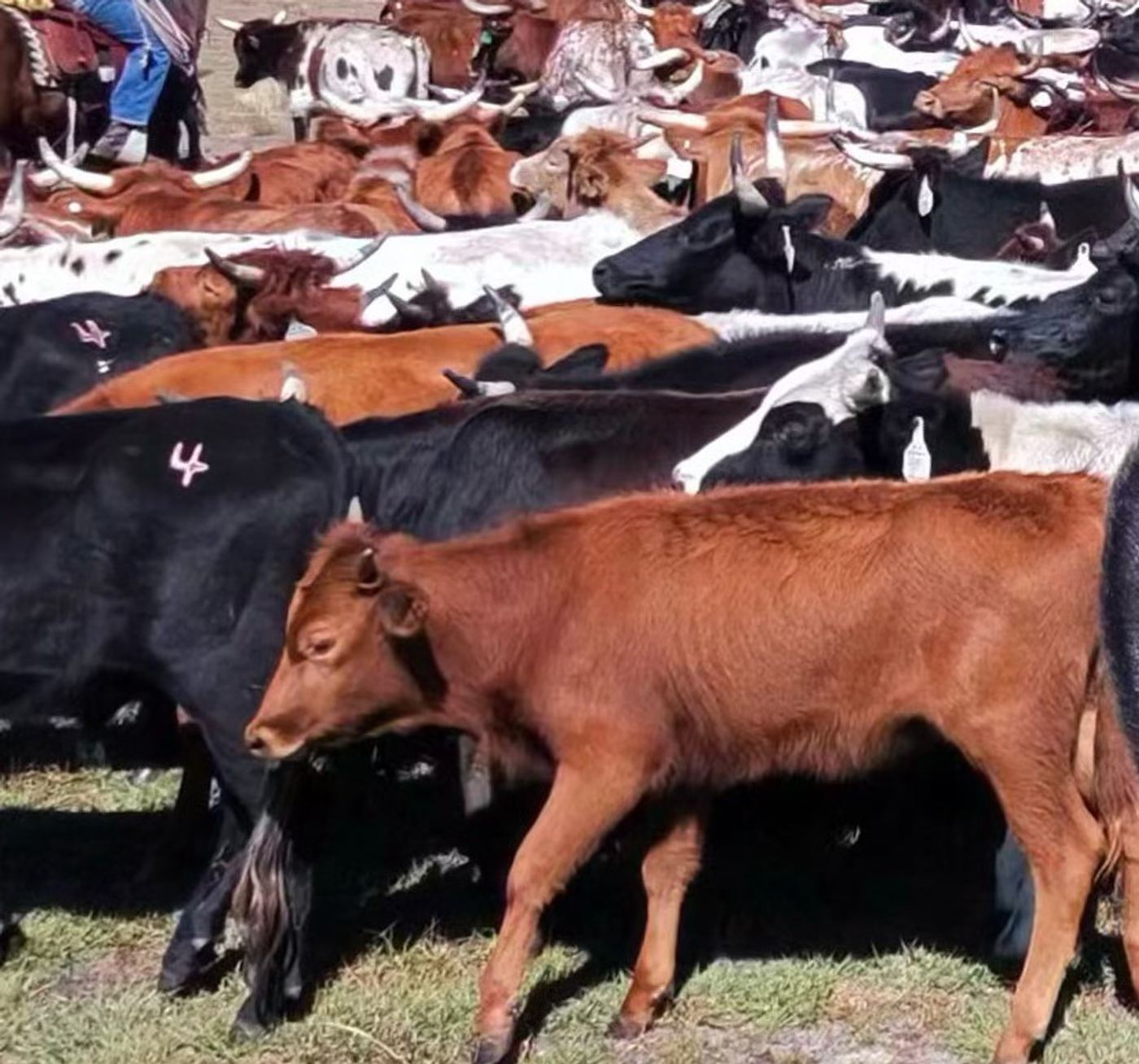
The Great Florida Cattle Drive highlights the state’s ranching heritage by recreating an old-fashioned cattle drive every five years. This year, the route covered 60 miles from Yeehaw Junction to the Okeechobee County Cattlemen’s Association Arena, taking seven days and six nights to complete. The ride included cowboys herding about 300 cattle, more than 300 people joining on horseback, and horse-drawn chuck wagons filled with supplies.
There were no showers or electricity along the ride, and participants set up primitive camping sites and corrals for their horses at each stop, sleeping under the stars. Riders were encouraged to dress in period-correct clothing, including long-sleeved shirts or Western wear. Everyone was expected to provide and pack their own camping gear, but it was transported for them. Beki and the other riders carried their daily necessities in their saddlebags.
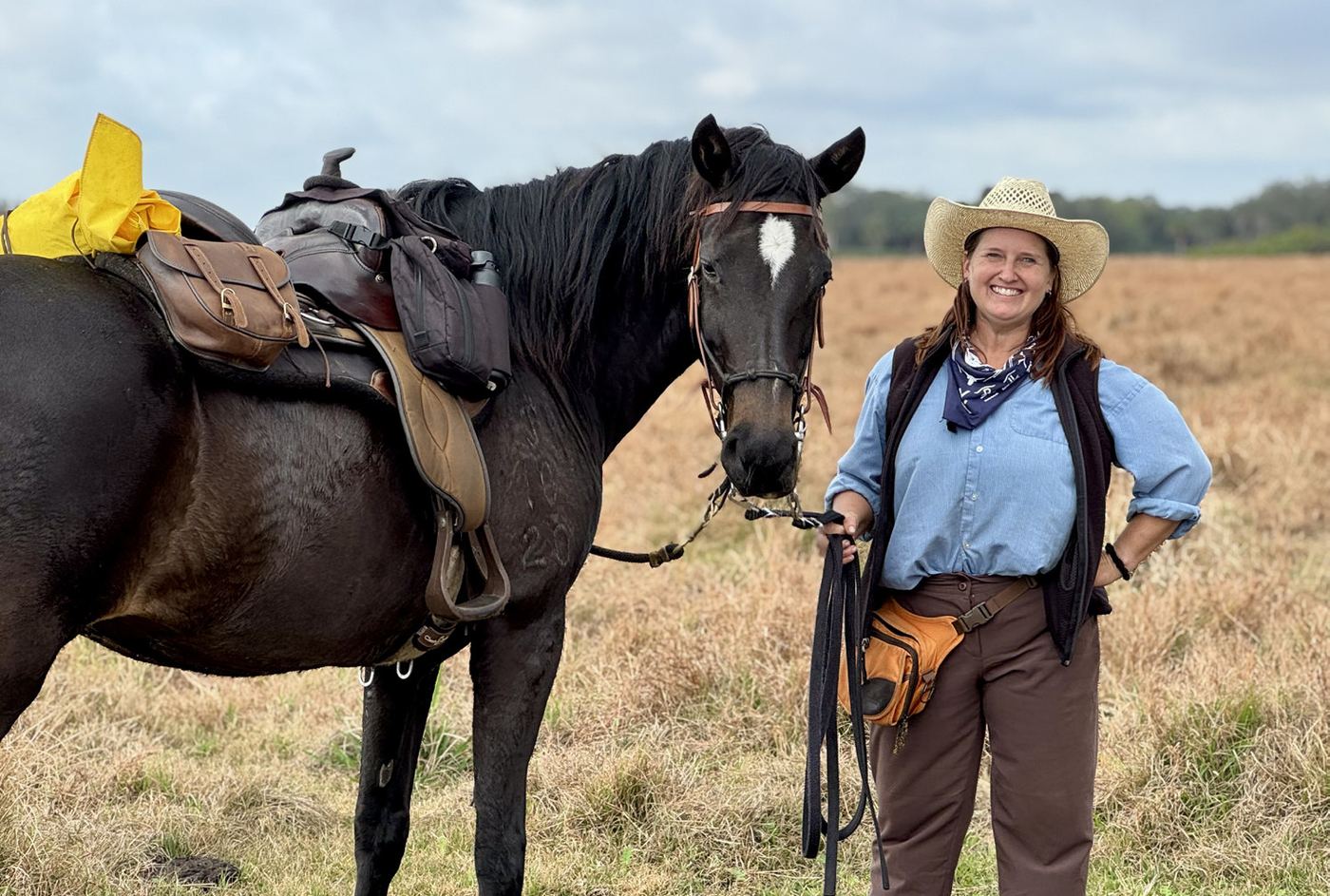
“It started as a way to bring awareness to the Florida cow culture and spread awareness about the need to preserve the land in Florida,” says Beki, who was a first-time participant. “I’ve seen it in years past and I’ve always been interested in doing it, and this was the first year that I’ve been able to. I love Florida history.”
The State of Florida has heritage breeds of cows and horses known as Florida Cracker cattle and horses, which share the same bloodline of the animals brought over by the first settlers. A Florida Cracker is a term for the descendants of early British-American pioneer settlers, cattlemen, and farmers in Florida.
Unlike cowboys out West who used lassoes to round up the cows, Florida’s cow hunters, or crackers, utilized leather bullwhips to drive the cattle out of thick, marshy palmetto swamps. The term comes from the cracking sound of the whip.
Mae I Join You?
“A few months before the cattle drive, I actually was able to purchase a Florida Cracker Horse,” says Beki. “They’re able to withstand the Florida climate, the temperature, and the bugs, because they’ve been here for 500 years. And the Florida Cracker Horse is actually the Florida state horse [designated in 2008].”
Beki rode her new horse, the 15-year-old Mae, on the cattle drive.
“It just felt very authentic to me,” she says.
Because so much of Florida is developed and difficult to traverse, privately owned ranches open up land for the event. The first day, riders spent nine hours in the saddle, covering 17.5 miles.
“Everybody was really sore and tired at the end of that day,” says Beki.
That night, she was thankful to enjoy a home-cooked dinner prepared over an old-fashioned, wood-burning stove. The group also listened to cowboy stories, music, and poetry around a campfire.
The next day, the group rose before dawn, and the caravan trekked about five miles. For the remainder of the journey, the distance was split up to about 10 miles each day.
“It was just a nice, slow pace,” says Beki. “We were walking our horses because you don’t want the cows to run. They wanted the cows to stay nice and calm, to keep them all together.”
Each day a small group of riders had the chance to work with the cowboys to herd the cattle.
A Simpler Time
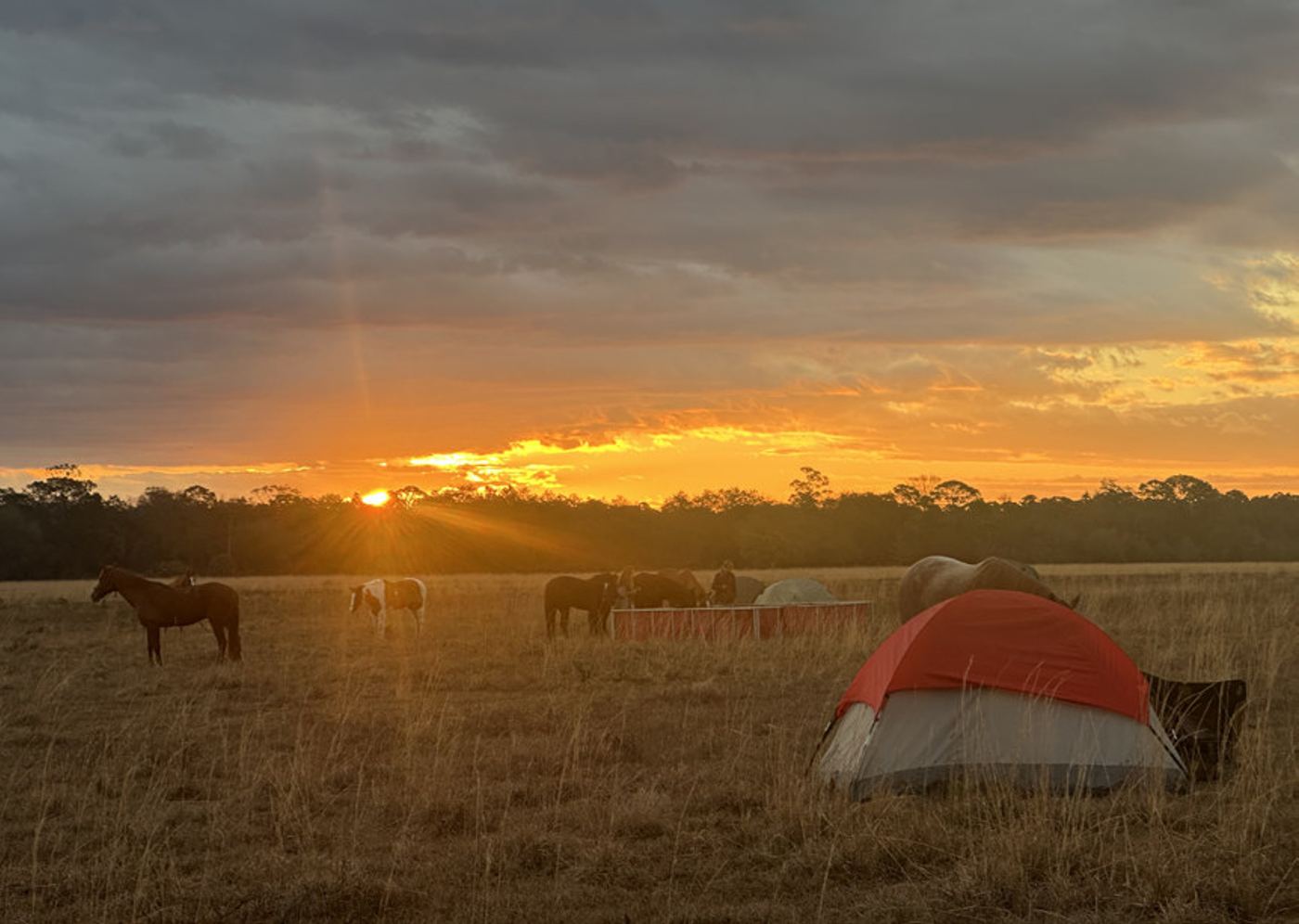
“It was quite an experience,” says Beki. “We were up before the sun every day and watching every sunrise, every sunset, no distractions other than nature and your horse. It took me back to a really simple time, where you just had to get up and take care of your immediate needs, feed your horse, ride all day, and soak in the beauty.”
Although the surroundings were beautiful, this year’s cattle drive took place during a late January cold snap. Evenings dipped below freezing temperatures (with the windchill, it registered 28 degrees), and three mornings Beki awoke to find ice on her tent. As a solo rider, it was up to Beki alone to set up and break down her own campsite every night and take care of Mae.
While the week came with its fair share of work, Beki says she would do it again for the opportunity to unplug and enjoy Florida in its natural state.
“Riding through this untouched Florida landscape was amazing,” she says. “It was so beautiful and it helped me understand what our early settlers felt when they were riding here. A lot of people don’t realize how beautiful Florida is. If you stay in the city, you don’t see that untouched, beautiful land out there. And that’s why it’s so important to preserve, because once it’s gone, it’s gone.”