
These Roots Run Deep
A new community garden in the historic Georgetown neighborhood of Sanford is uniting local residents
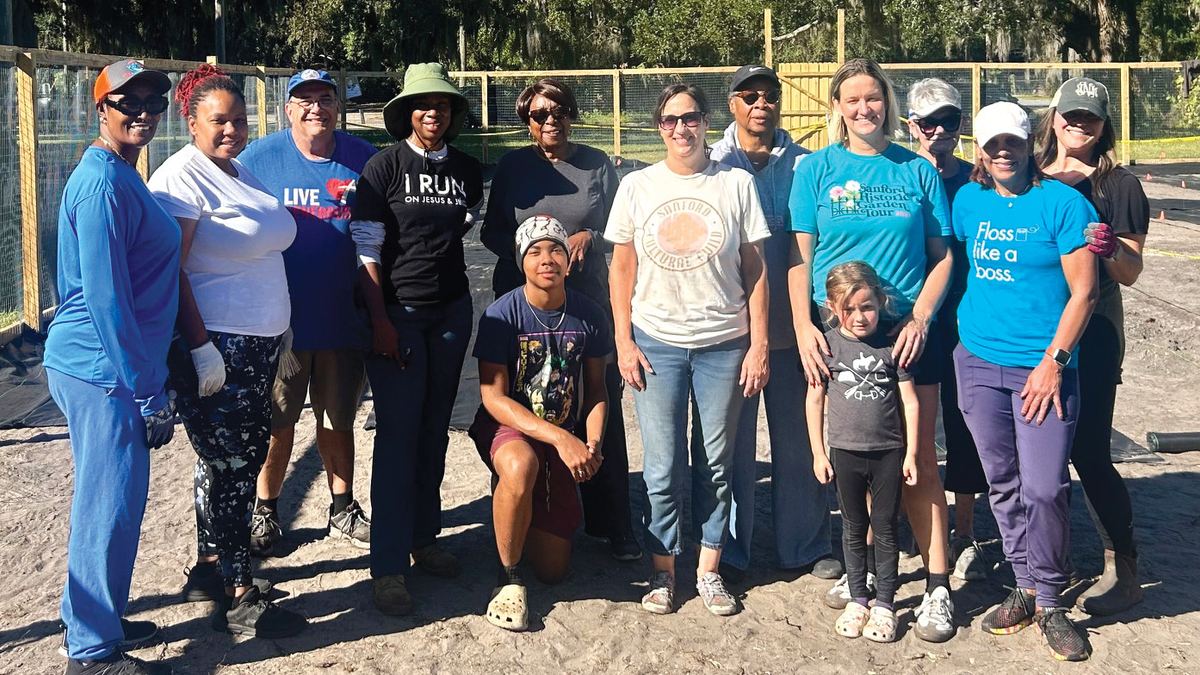
In Sanford’s Georgetown neighborhood, on the grounds of the Historic Hopper Academy, a vibrant community garden is taking root.
A couple of years ago, Sanford Mayor Art Woodruff – who is on the board of the Hopper Academy – was brainstorming ways to create more community engagement at the former school. He thought a garden would do the trick, so he approached Robin Thiesen of the Sanford Cultural Guild with the idea, and the two set about making it happen.
For many local residents, the 4,800-square-foot Georgetown Community Garden – which is set to open in January – represents far more than a place to plant fruits and vegetables.
Art says the garden further strengthens Hopper Academy’s importance to the city and the Georgetown area.
“The building itself is an incredibly important piece of Sanford history,” says Art. “It’s such an uplift to the neighborhood. And the garden brings more people here. You can already see the sense of community forming as people come together to work on it.”
Hopper Academy, situated on two acres on Pine Avenue, has long been an educational and cultural anchor in Georgetown. It was built in 1910 as one of the few schools for African American students in Florida, serving pupils through the 10th grade until the opening of Crooms Academy in 1926. Hopper Academy then became a grammar school, which remained open through 1962.
Hopper Academy, which is undergoing a complete restoration, is listed on the National Register of Historic Places. The building is now home to several art organizations and Scouting groups and serves as an active community center.
Digging In
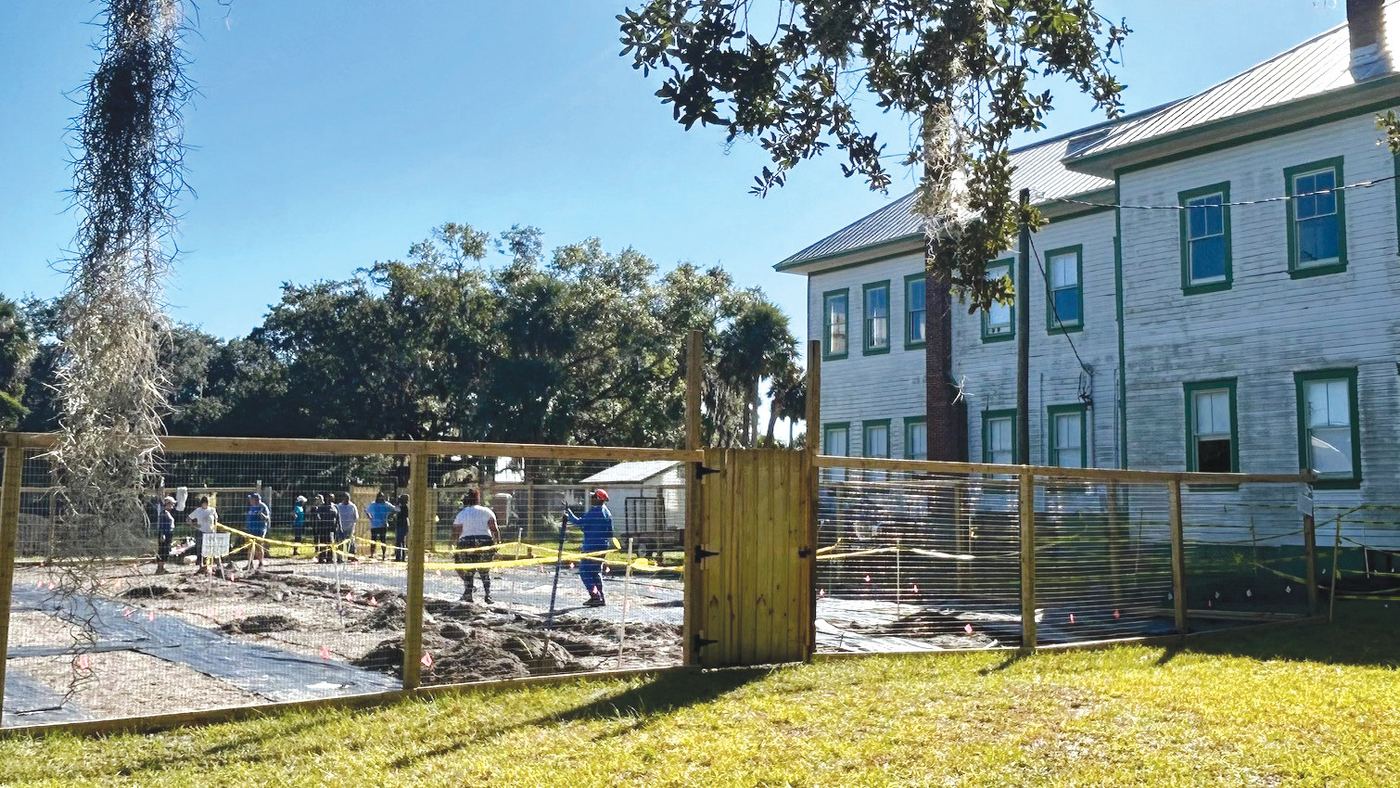
Robin and guild partner Sara van den Berg held meetings to solicit community input and to find residents who were interested in helping run the garden. An independent garden board was created, and plans started to come to life.
“Community gardens always bring people together,” says Robin. “And it’s not just gardening. There are potlucks, classes, demonstrations – so many ways for neighbors to connect and bring something positive to the community.”
The Sanford Community Garden currently features 18 raised beds and has space for at least six more. When work on the garden is complete, residents will be able to apply for individual beds, choosing their own crops and tending their plots. Beds will cost $50 per year for as long as they are maintained.
Plans for the garden include adding fruit trees along the perimeter for neighborhood use, covered picnic tables, a shed, and an instructional area for classes about pollinators, composting, native plants, and more.
The Florida Native Plant Society will be donating pollinator-friendly plants to border the garden, Robin says, to attract butterflies and bees into the space.
For Sanford residents Tabitha Newsome and her cousin Dora Dyer, involvement in the community garden happened in a roundabout way.
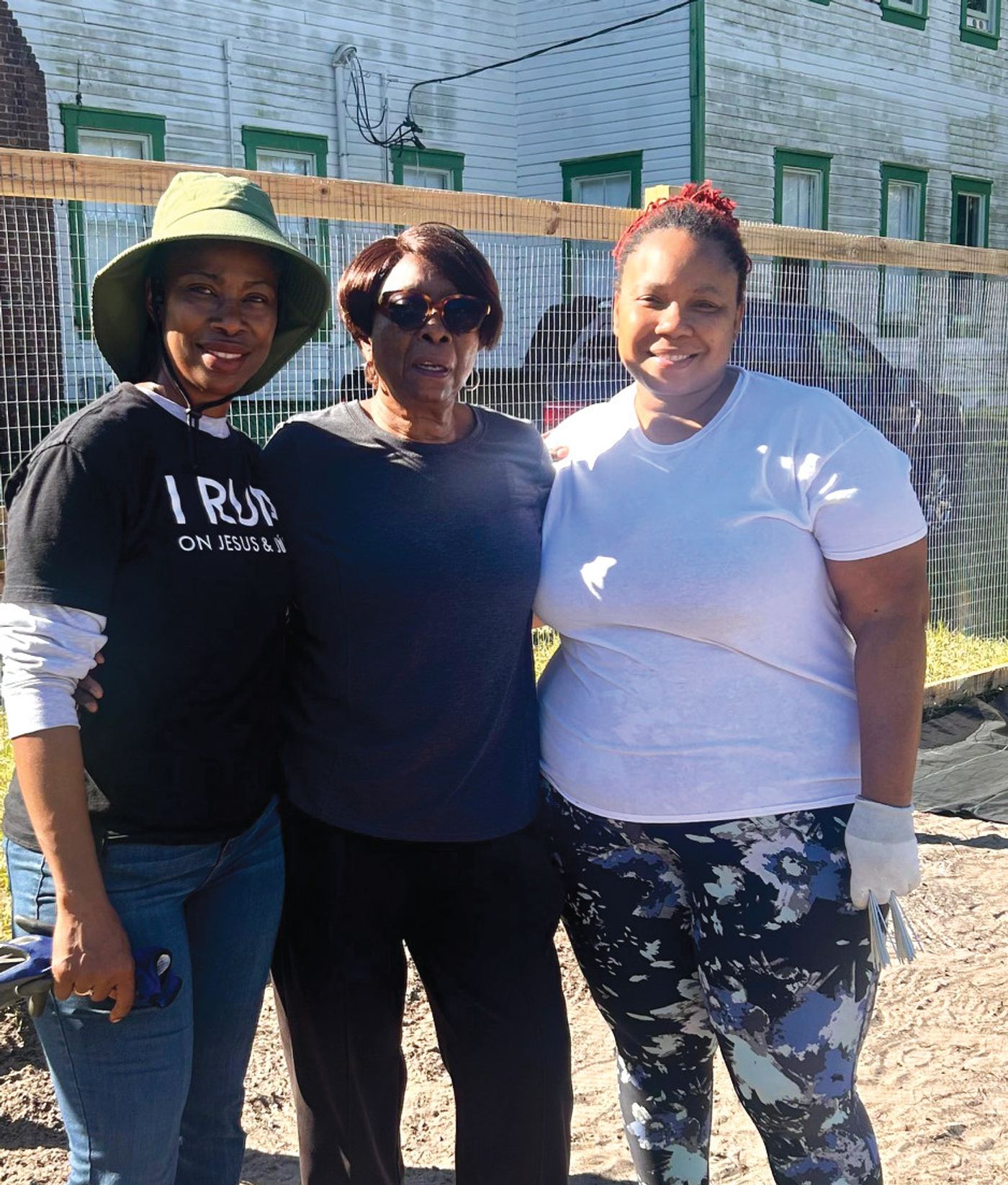
“We started home gardens and needed advice,” says Tabitha. “We saw an ad about the garden club and came to a meeting. Then we realized there wasn’t already a garden – it was about establishing one. But we’re still here. Kind of a baptism by fire.”
A Fresh Approach
Tabitha’s home garden, grown entirely in pots and containers, includes pineapples, star fruit, avocado, collard greens, pigeon peas, and two varieties of okra.
“I want to be able to grow my own food and eat from my garden,” she says. “I love fresh food, and I don’t really trust what’s in the grocery stores – not to mention the prices.”
Dora Dyer, who is serving as president of the Georgetown Community Garden, felt similarly inspired.
“Community gardens give people a chance to grow their own food,” she says. “I started gardening because I’m vegan-ish, so I wanted to make sure what I was feeding my family was healthy. And Georgetown has never had anything like this before. The community part of community garden is just as important.”
That focus on healthy living extends to the area’s youngest residents, too, says Charlotte Carter, the garden’s treasurer.
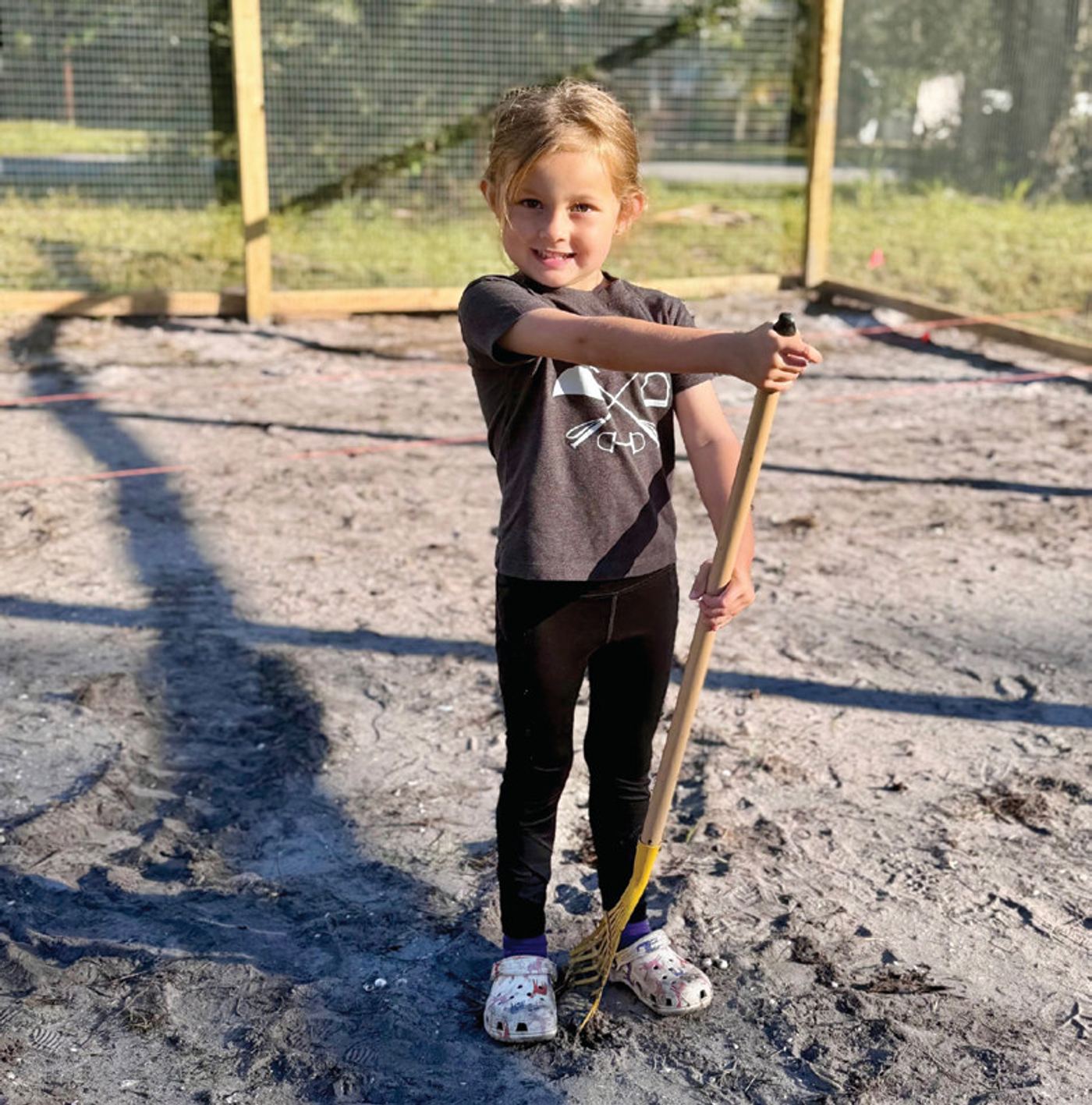
“It’s so important for kids,” she says. “They need to know how to sustain themselves and understand that food doesn’t come from McDonald’s. I grew up gardening with my mom. We had a big family, and I learned you can feed a lot of children with what you grow. There’s just something special about it.”
With the beds built, the soil enriched, and the walkways nearly finished, the Georgetown Community Garden will soon be ready to bloom.
Swinging for the Fences
The six-foot fence surrounding the new community garden at the Historic Hopper Academy was built by an Oviedo High School teen.
Asher Williamson, a 17-year-old senior, built the fence for his Eagle Scout project after hearing about the garden from Art Woodruff – a teacher at his school and a longtime Scout leader. Art is also the mayor of Sanford and a staunch supporter of Hopper Academy in Sanford’s Georgetown community.
The 56-by-86-foot garden enclosure that Asher planned and designed is made up of field fencing supported by more than 30 stained wooden posts and crossbars.
With help from Sanford community members, fellow Scouts, and friends, Asher successfully completed his Eagle Scout project in November. The cost of the fencing materials was covered by grants from the Sanford Cultural Guild and the City of Sanford.

For Asher, the path to becoming an Eagle Scout began in third grade. He started in a small Cub Scout pack before joining Troop 608 in sixth grade, which opened the door to the outdoor adventures he loves.
“We do everything from campouts to high-adventure trips,” he says. “Being outside is what I’m all about.”
As Asher advanced through the ranks of Scouting America, his commitment to the nonprofit organization grew. Now he is on the verge of becoming an Eagle Scout, the highest rank attainable in the Scouts BSA program.
“I have one more merit badge to earn, and my project must pass review,” he says, “and then I’ll be an Eagle Scout.”
Asher, who aspires to be a pilot, has applied to several colleges. He is also interested in the fields of neuroscience, finance, and economics. And there may even be a few more fence builds in his future.
“We actually had a great time doing it,” he says. “I think the garden project will be great for the community.”